RobinTech: Job Shadowing Visit of OSAO (Finland) to ROC Mondriaan, Delft
As part of the Erasmus+ project Towards Networking and Collaborative Teaching Materials in the Field of Industrial Robotics (RobinTech), ROC Mondriaan welcomed two colleagues from OSAO (Finland): project coordinator Niina Nissinen and engineering teacher Toni Korpikannel.
The RobinTech project brings together several European vocational education institutions that are collaboratively developing innovative teaching materials in the field of industrial robotics and industrial automation. Each partner institution contributes its own expertise by developing and testing educational modules that can later be shared and implemented across the partnership.
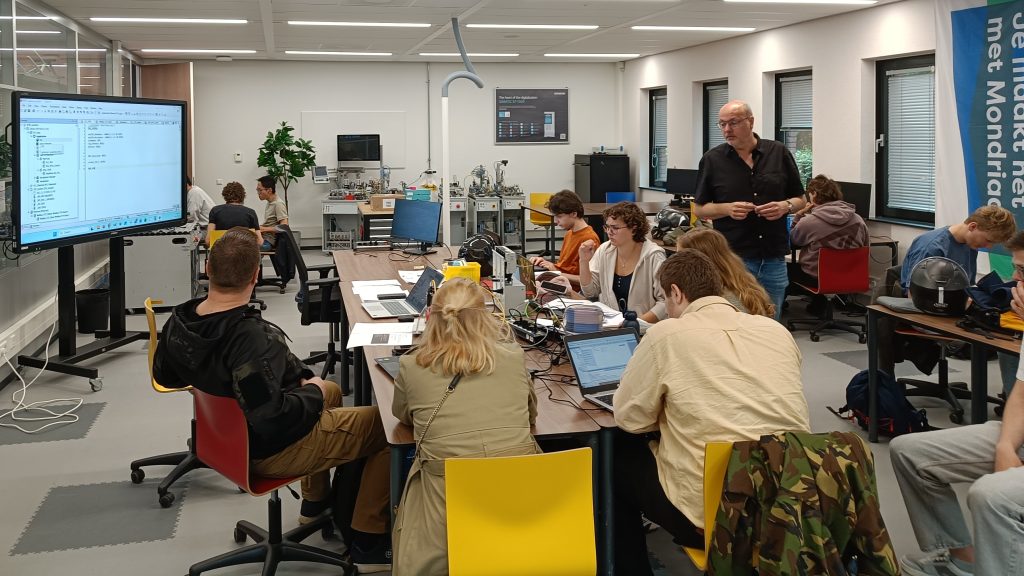
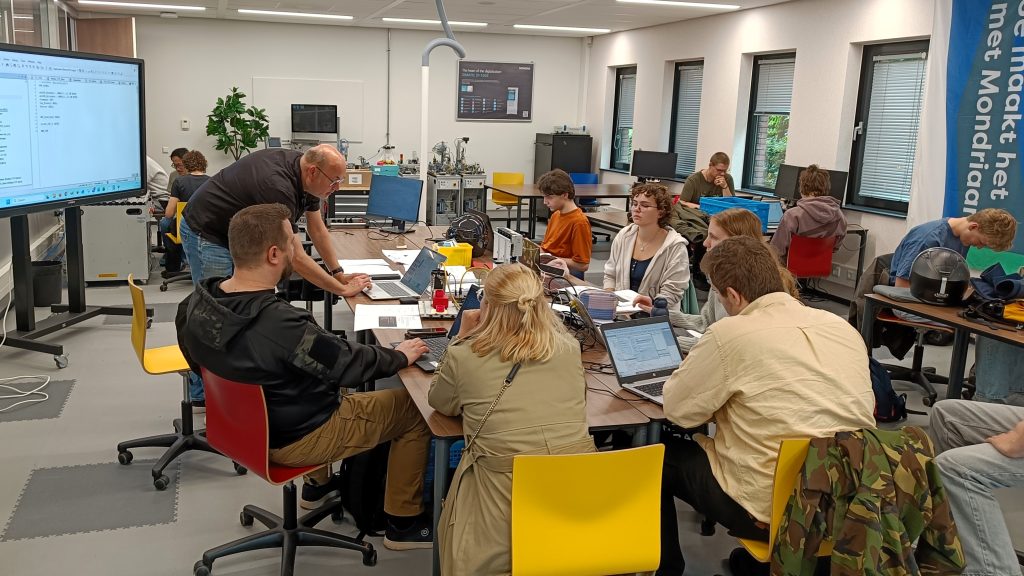
The main objective of this job-shadowing visit was to pilot one of the modules being developed by ROC Mondriaan teacher Erwin van de Biezen. Within RobinTech, ROC Mondriaan is currently developing learning modules on RFID and IO-Link technologies. During this visit, the RFID module was piloted with a group of students, while the Finnish colleagues observed the lesson and evaluated the learning materials using a feedback instrument based on the Learning Object Review Instrument (LORI) model. Students were also invited to share their experiences and provide feedback on the module.
In addition to the pilot lesson, the programme offered opportunities to exchange knowledge on project-based learning, cooperation with industry, and the role of innovation ecosystems in vocational education.
Exploring the Delft Innovation Ecosystem
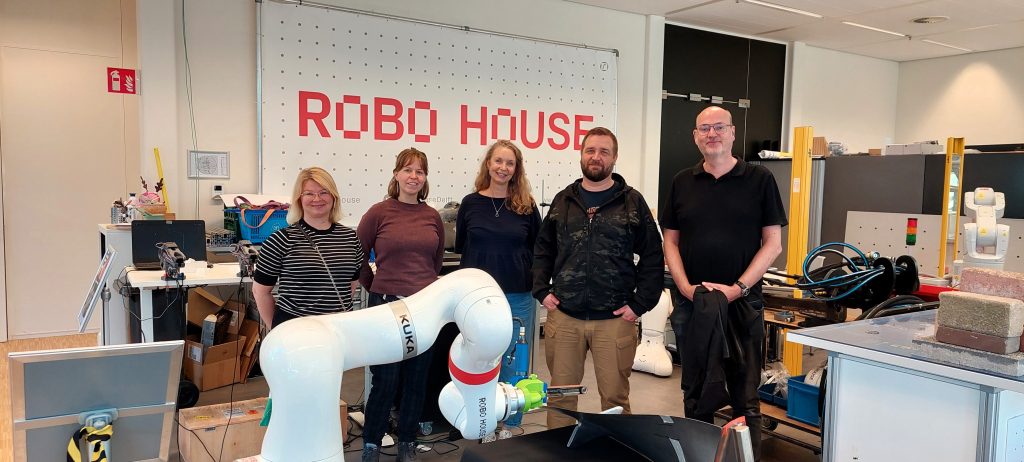
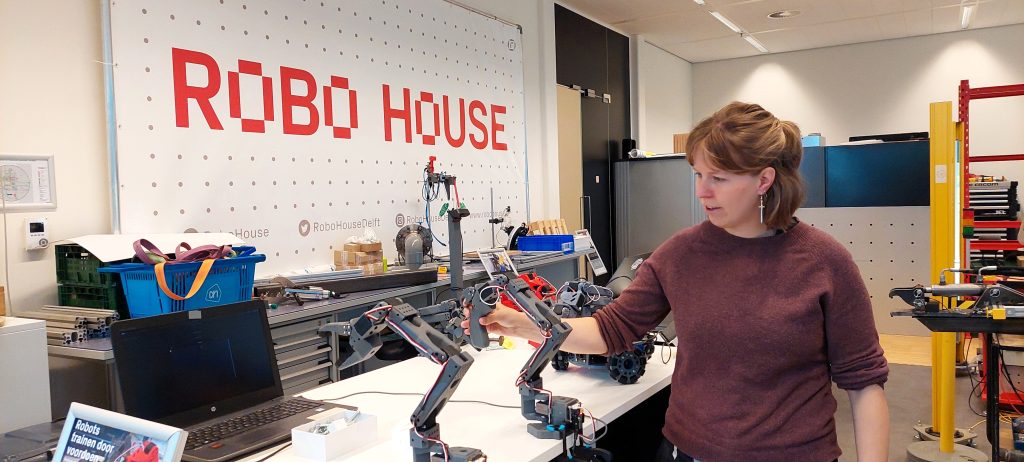
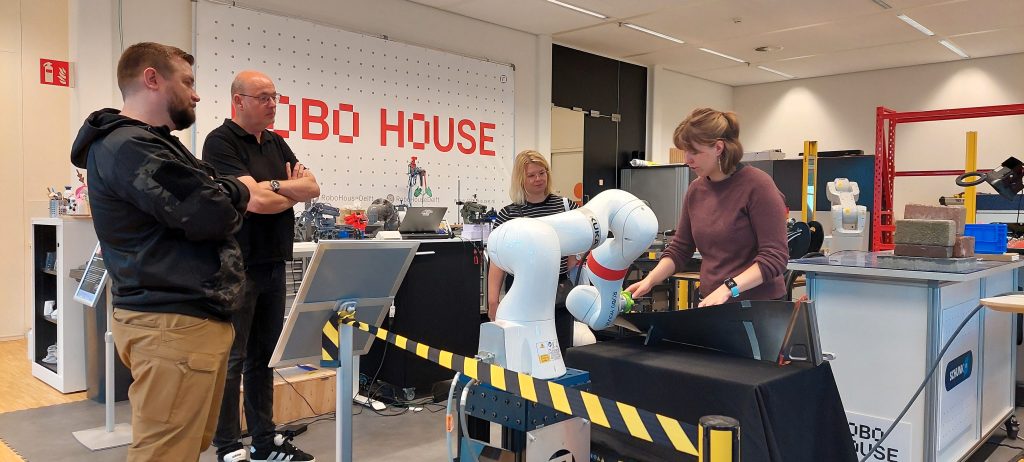
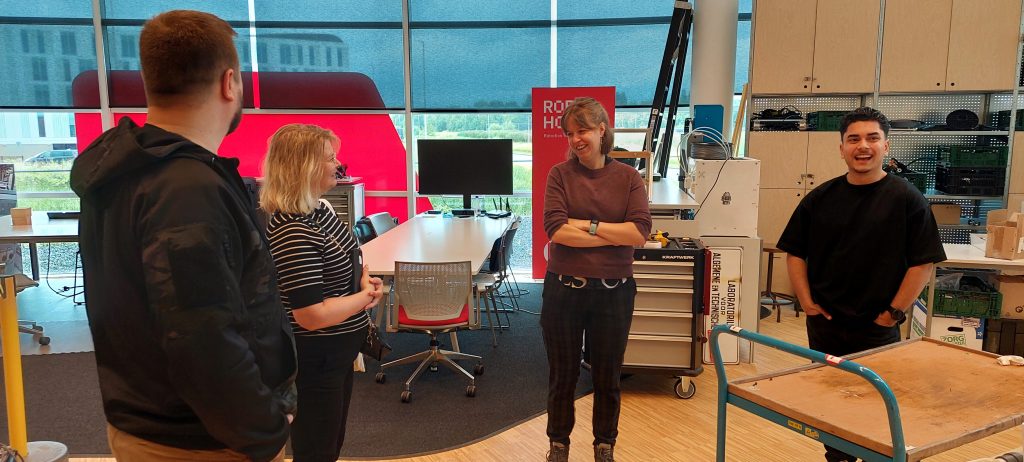
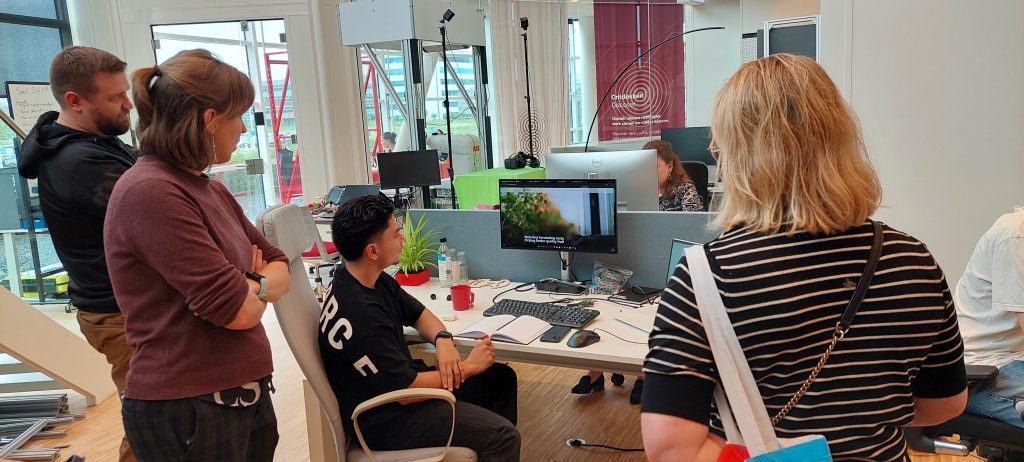
The first day of the programme was dedicated to introducing the Finnish visitors to the surrounding innovation ecosystem. The visit started at RoboHouse, a fieldlab and innovation hub where companies, researchers, students and educators collaborate on robotics and artificial intelligence applications. The facility demonstrates how research and innovation can be connected directly to education and industrial practice.
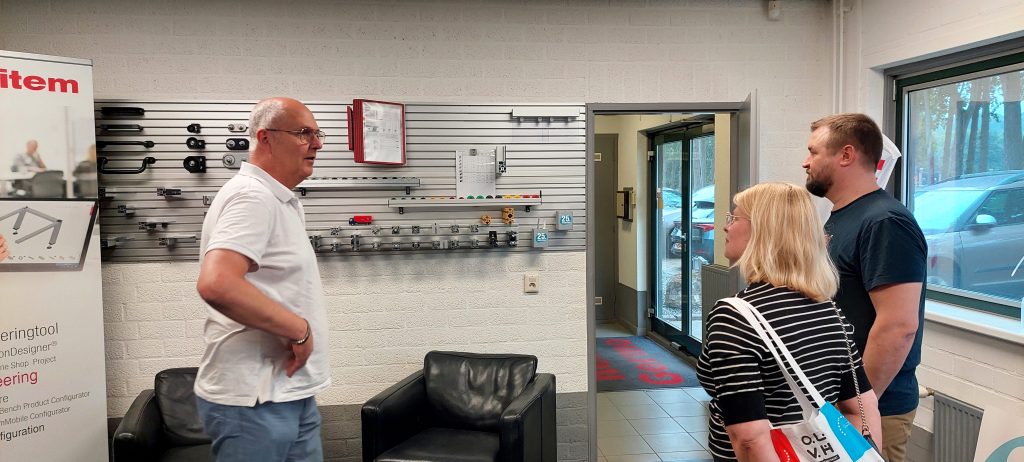
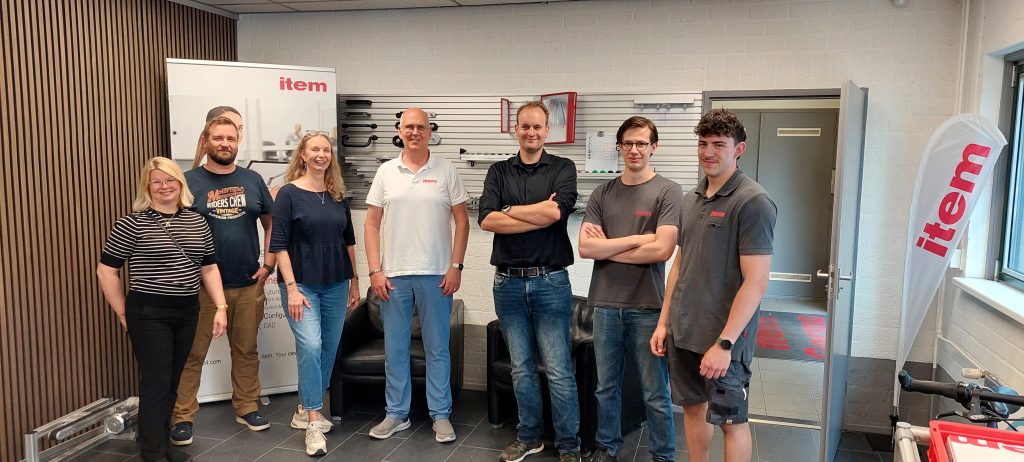
Following lunch, the group visited Item Systems, where they gained insight into industrial applications of modular engineering solutions commonly used in machine building and automation projects.
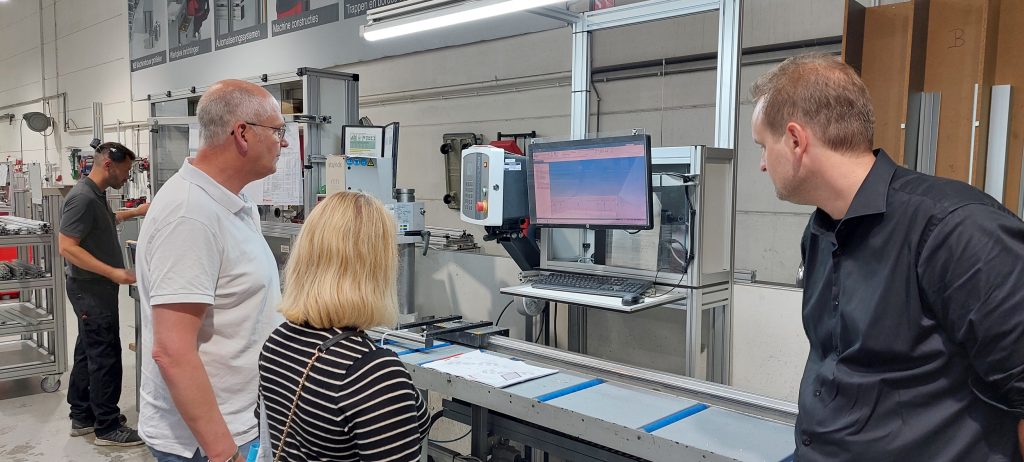
The day concluded with a visit to SAM XL (Smart Advanced Manufacturing XL), a large-scale innovation centre focused on advanced manufacturing technologies and robotics. SAM XL brings together education, research and industry to develop and test innovative manufacturing solutions in realistic industrial environments.
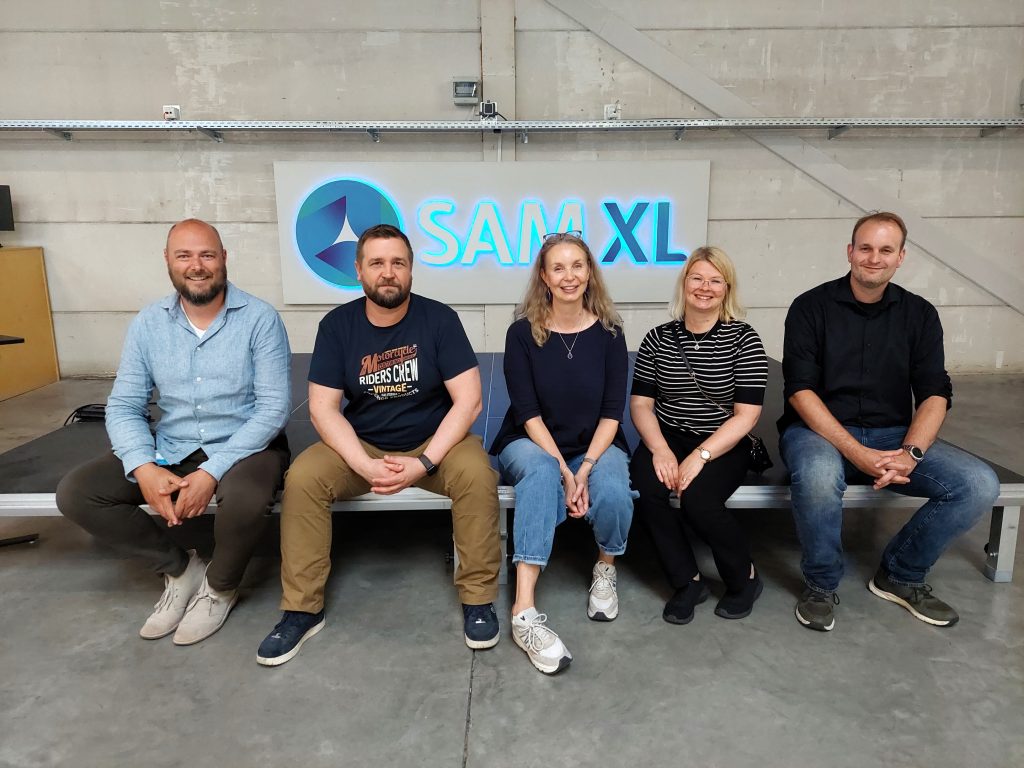
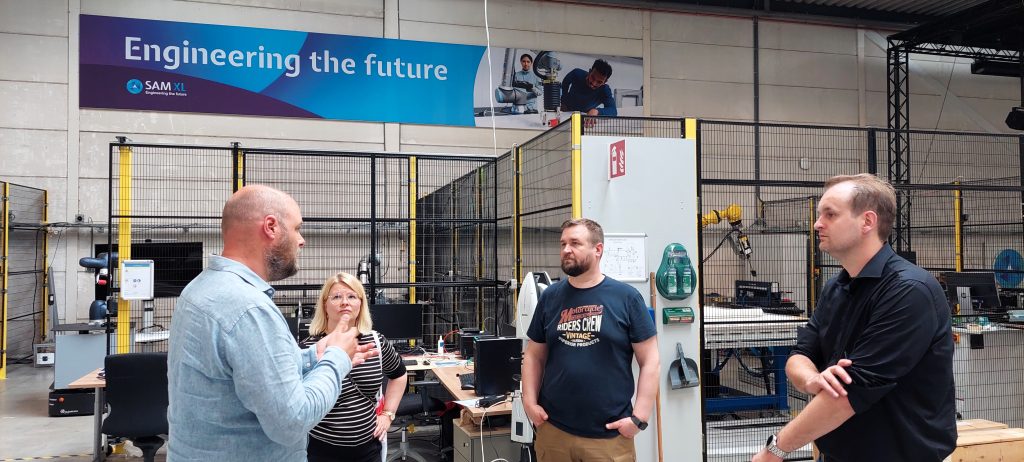
Throughout these visits, discussions focused on the importance of collaboration between educational institutions, research organisations and companies. Niina Nissinen was particularly impressed by the extensive innovation ecosystem in Delft. Facilities such as RoboHouse and SAM XL provide opportunities for teachers to stay connected with technological developments while simultaneously offering students authentic learning environments, internships and project opportunities. According to the Finnish visitors, comparable fieldlab structures are currently less common within their regional educational ecosystem, making the Delft approach especially inspiring.
Observing Project-Based Engineering Education
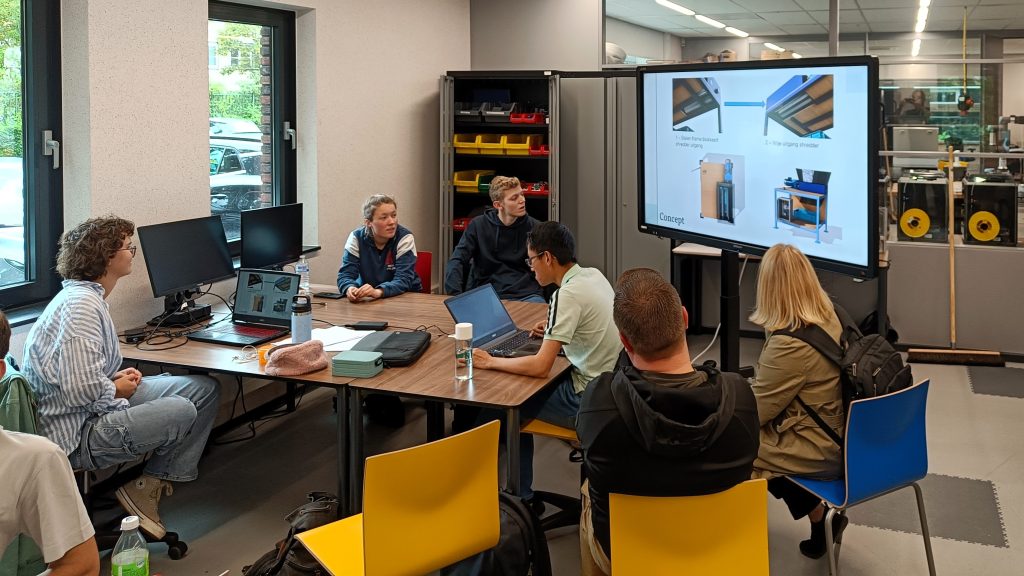
During the following days, the Finnish colleagues observed several engineering lessons and student projects within ROC Mondriaan’s Engineering Technician programme.
Particular attention was given to the programme’s educational approach, which is strongly based on project-based learning and inspired by the 4C/ID (Four-Component Instructional Design) model. Rather than teaching technical subjects as isolated disciplines, students develop professional competencies through realistic assignments that integrate knowledge from multiple domains.
The visitors observed practical classes and project work in which students combined electrical engineering, automation, industrial communication technologies and engineering design skills. Many projects reflected realistic industrial situations and required students to apply knowledge acquired in different subjects.
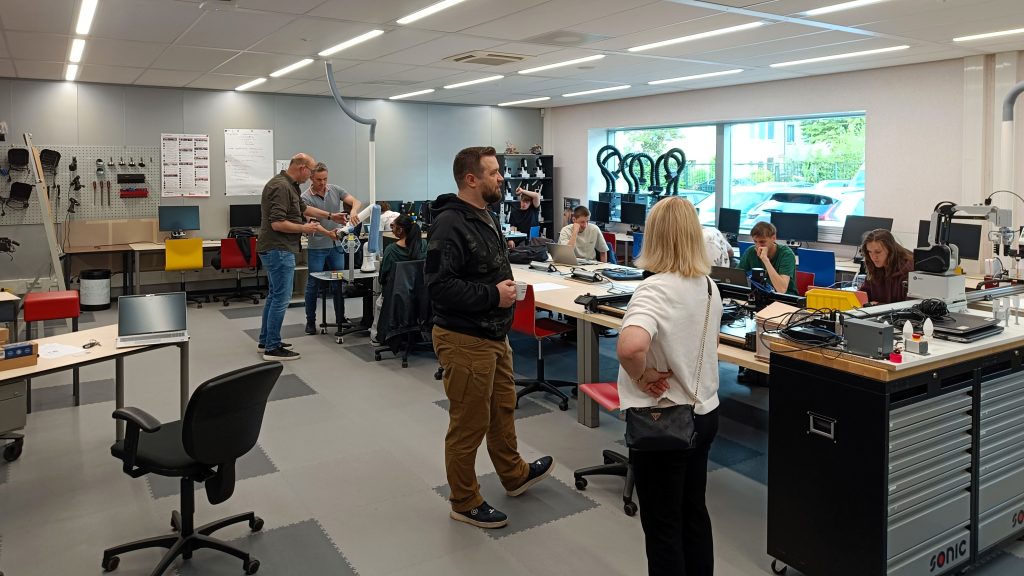
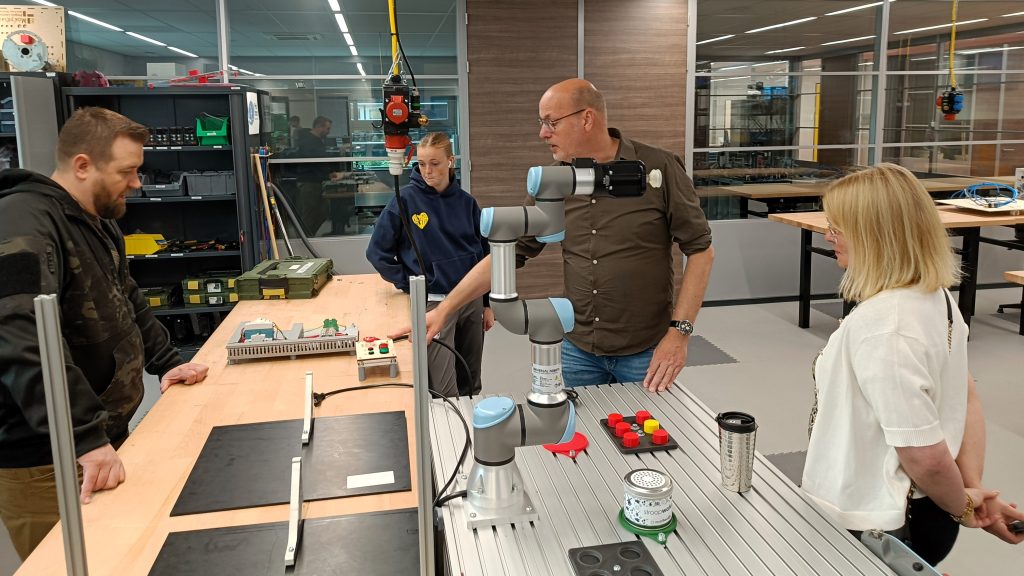
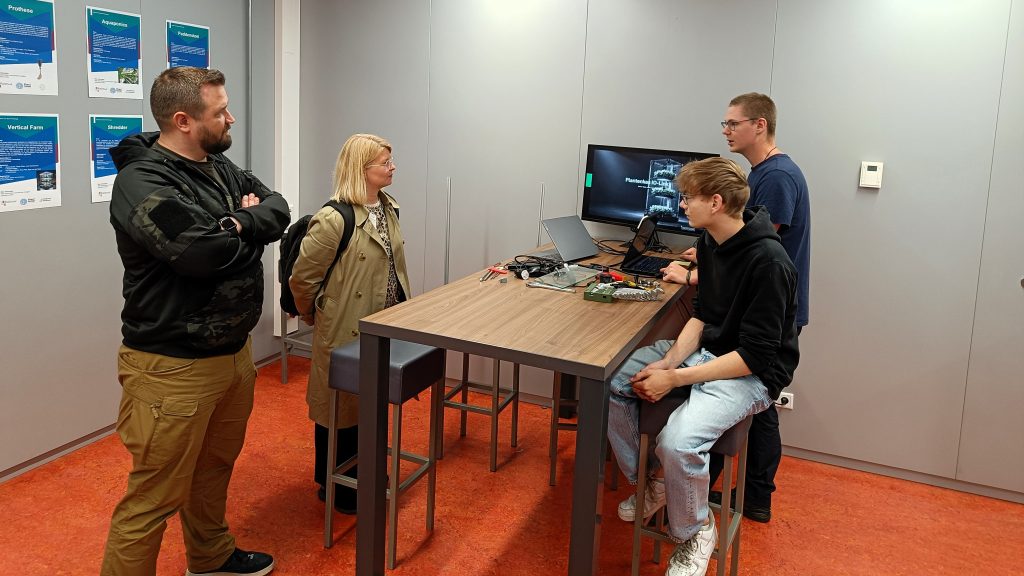
A topic that generated considerable interest was the way students in the upper years of the programme increasingly work on authentic assignments originating from industry partners or from the Smart Technology Practorate, led by practor Dennis Koeman. Through these projects, students not only develop technical expertise but also strengthen communication, collaboration and problem-solving skills that are essential in professional practice.
The Finnish visitors were also impressed by the confidence and communication skills demonstrated by the students. During project presentations and informal discussions, students were willing to explain their work, answer questions and communicate comfortably in English. Niina noted that many Finnish vocational students tend to be more reserved and often find it more challenging to discuss their projects with visitors. The openness and professionalism shown by the ROC Mondriaan students were therefore regarded as a notable strength of the programme.
Pilot of the RobinTech RFID Module
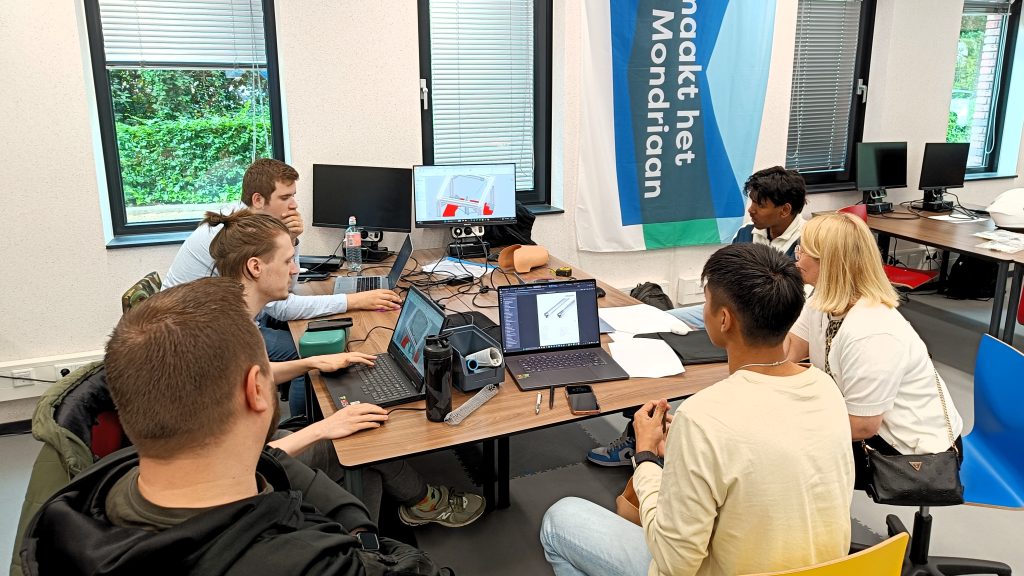
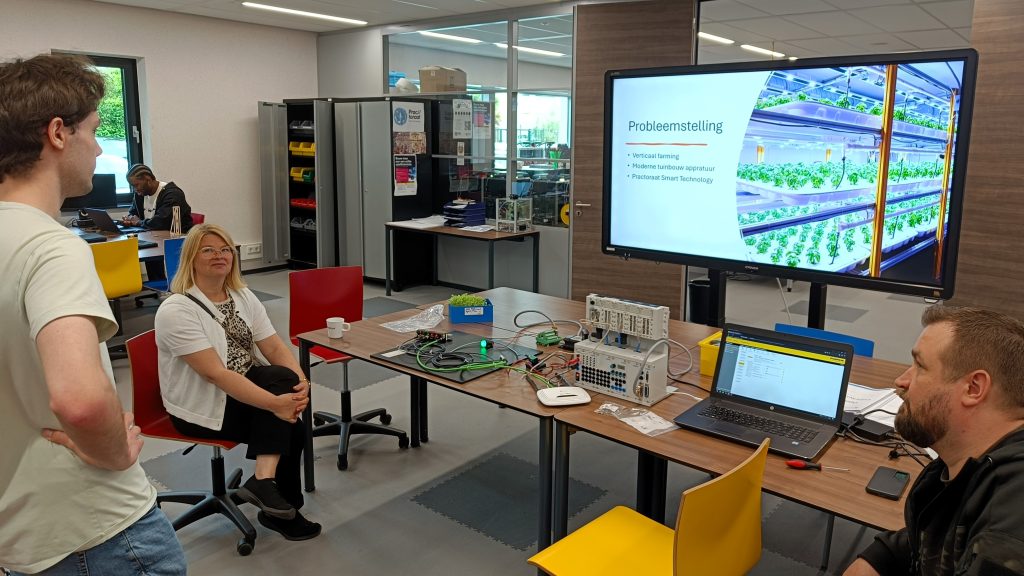
A central element of the visit was the pilot implementation of the RFID learning module developed by Erwin van de Biezen within the RobinTech project.
The module introduces students to the principles and industrial applications of Radio Frequency Identification (RFID) technology and demonstrates how RFID can be integrated into modern automated production environments. Students worked through practical assignments that combined theoretical understanding with hands-on activities, allowing them to experience how identification and tracking technologies are used in industry.
During the lesson, Niina Nissinen and Toni Korpikannel observed both the educational design and the student learning process. Using a feedback instrument based on the Learning Object Review Instrument (LORI) model, they evaluated aspects such as learning objectives, content quality, relevance, instructional design, student engagement and transferability to other educational contexts.
Students were also invited to reflect on their learning experience and provide feedback on the module. The combination of expert review and student feedback generated valuable insights that will support the further refinement of the RFID module before wider dissemination within the project partnership.
While the Finnish colleagues visited Delft to review ROC Mondriaan’s RFID module last week, two Mondriaan colleagues are this week travelling to Estonia to evaluate a learning module developed by the Estonian project partners. This peer-review approach ensures that all modules benefit from international expertise and feedback from both teachers and students. Once all pilot sessions have been completed and the collected feedback has been incorporated, the modules will be translated into the languages of the participating countries and made freely available to vocational education institutions, teachers and trainers interested in industrial robotics and automation. In this way, RobinTech aims to create a lasting impact that extends well beyond the project partnership itself!